
Vietnam Star Anise Export Report (January – August 2024)

In the first eight months of 2024, Vietnam’s star anise exports faced several challenges, with both export volume and revenue experiencing declines. By the end of August, Vietnam had exported 9,831 tons of star anise, generating a total export value of 47.3 million USD. This represents a 1.7% decrease in export volume and a 17.8% drop in revenue compared to the same period in 2023. The disparity between volume and revenue suggests that the average price of star anise has declined, possibly due to global economic conditions or shifts in demand.
Market Performance Breakdown
Despite the overall decline in exports, certain markets showed significant growth, underscoring the ongoing demand for Vietnamese star anise:
- India: Vietnam’s largest market for star anise, India imported 6,083 tons, which is 61.9% of Vietnam’s total star anise exports. This volume represents a 6.3% increase compared to the same period last year, reflecting India’s growing demand for this spice in both culinary and medicinal applications.
- United States: The U.S. imported 694 tons of star anise from Vietnam, a 8.4% increase year-on-year. Although the volume remains relatively small, the U.S. market continues to show steady growth, driven by the increasing use of star anise in food, beverages, and essential oils.
- Taiwan: One of the most notable developments in 2024 has been the 168.8% surge in exports to Taiwan, reaching 301 tons. This sharp increase indicates Taiwan’s rising demand for star anise, possibly driven by changes in food consumption trends or increased use in traditional remedies.

Prosi Thăng Long – The Market Leader
Prosi Thăng Long has solidified its position as Vietnam’s largest star anise exporter, holding nearly 20% of the market share. The company exported 1,805 tons, an impressive 12.1% increase compared to the same period in 2023. This growth is significant in light of the overall market downturn, showcasing Prosi Thăng Long’s ability to maintain strong customer relationships, ensure product quality, and adapt to market fluctuations.
As the leader in Vietnam’s star anise exports, Prosi Thăng Long’s consistent growth has been attributed to several factors:
- Strong operational capacity: The company has a well-established supply chain and state-of-the-art processing facilities that enable it to meet growing demand efficiently.
- Focus on premium quality: By emphasizing high-quality products that meet international standards, Prosi Thăng Long has gained the trust of its global customers.
- Diverse export markets: Prosi Thăng Long exports to a wide range of markets, which helps mitigate risks associated with economic downturns in specific regions.

Competitive Landscape
Several other Vietnamese exporters contributed to the country’s overall star anise exports. However, many of them experienced fluctuations in their export performance:
- Nedspice Vietnam: The second-largest exporter, Nedspice, exported 622 tons, but saw a 35.9% decrease from the previous year. This decline suggests that Nedspice may be facing challenges such as supply chain disruptions or reduced demand from key markets.
- Tuấn Minh: With an export volume of 526 tons, Tuấn Minh achieved a 25.8% growth, reflecting its successful market expansion and stronger foothold in niche markets.
- Senspices Vietnam: This exporter saw solid growth with 378 tons exported, marking a 23.5% increase. Senspices has likely capitalized on growing demand in regions where star anise is increasingly used in both food and pharmaceutical industries.
- Hồng Sơn Vietnam: With 334 tons exported, Hồng Sơn saw a 1.5% increase. While modest, this growth demonstrates stability in its export operations, even in a challenging market.
Industry Outlook
The star anise export market is expected to face continued fluctuations in the coming months due to several factors, including:
- Global economic conditions: As inflation rates and economic instability impact consumer spending in major markets, demand for star anise could be affected.
- Supply chain challenges: Disruptions caused by logistical bottlenecks and fluctuating transportation costs may continue to influence export volumes and revenues.
- Emerging markets: While established markets such as India and the U.S. remain strong, emerging markets like Taiwan are showing significant potential for growth, which could provide new opportunities for Vietnamese exporters.

Conclusion
Despite the overall decline in Vietnam’s star anise exports, Prosi Thăng Long has not only maintained but strengthened its leadership position in the market. The company’s growth, even in a challenging economic environment, reflects its operational resilience and ability to meet global demand with high-quality products. Moving forward, Prosi Thăng Long is well-positioned to capitalize on new market opportunities and continue driving the success of Vietnam’s star anise industry.
#ProsiThangLong#Prosi#GlobalTrade#VietnamSpices#VietnamNuts#Pepper#Cashew#Cinnamon#Coconut#StarAnise#VietnamExporter
——————————-
𝐏𝐫𝐨𝐬𝐢 𝐓𝐡𝐚𝐧𝐠 𝐋𝐨𝐧𝐠 – 𝐒𝐩𝐢𝐜𝐞𝐬 𝐚𝐧𝐝 𝐍𝐮𝐭𝐬 𝐕𝐢𝐞𝐭𝐧𝐚𝐦 𝐌𝐚𝐧𝐮𝐟𝐚𝐜𝐭𝐮𝐫𝐞𝐫 𝐚𝐧𝐝 𝐄𝐱𝐩𝐨𝐫𝐭𝐞𝐫
 𝐀𝐝𝐝𝐫𝐞𝐬𝐬: 4th Floor, Kim Anh Building, No 78 Duy Tan, Cau Giay, Ha Noi
 𝐄𝐦𝐚𝐢𝐥: Sales@prosi.com.vn
 𝐎𝐟𝐟𝐢𝐜𝐞 𝐇𝐨𝐭𝐥𝐢𝐧𝐞: (+84) 9858 17797
𝐘𝐨𝐮𝐫 𝐭𝐫𝐮𝐬𝐭𝐞𝐝 𝐩𝐚𝐫𝐭𝐧𝐞𝐫 𝐢𝐧 𝐩𝐫𝐞𝐦𝐢𝐮𝐦 𝐬𝐩𝐢𝐜𝐞𝐬 𝐚𝐧𝐝 𝐧𝐮𝐭𝐬

Celebrating 10 Years of Excellence: Prosi Thăng Long’s Journey
This year marks a significant milestone for Prosi Thăng Long as we proudly celebrate our 10th anniversary. Over the past decade, we’ve grown from a humble beginning to becoming a leading name in Vietnam’s agricultural sector. Our journey has been one of passion, dedication, and a relentless pursuit of excellence.
From the very start, our mission has been clear: to bring the best of Vietnam’s agricultural products to the world. Through innovation, sustainability, and a deep commitment to quality, we’ve built strong relationships with our partners and customers, both locally and internationally.
As we look back on the last ten years, we’re filled with gratitude for our incredible team, whose hard work and enthusiasm have been the driving force behind our success. We’re also deeply thankful to our customers and partners, whose trust and support have been instrumental in helping us achieve our goals.
The 10th anniversary isn’t just a celebration of our past achievements; it’s also a time to look forward to the future. We’re excited to continue our journey, exploring new opportunities, embracing challenges, and striving to make an even greater impact in the years to come.
Join us in celebrating a decade of growth, innovation, and excellence at Prosi Thăng Long. Here’s to many more years of success and prosperity!


August Pepper Market Report

Vietnam’s pepper industry has experienced a significant surge in export earnings, increasing by 40.8% year-on-year to reach 764.2 million USD in the first seven months of this year, according to the Vietnam Pepper and Spice Association (VPSA). This remarkable growth has occurred despite a slight 2.2% decline in export volume. The rise in global pepper prices has been a key driver of this increase, with the US leading as Vietnam’s top pepper importer, purchasing 43,349 tonnes, which marks a 48.4% increase from the previous year and accounts for 26.4% of the market share.
In July alone, Vietnam exported 21,771 tonnes of pepper, earning 129.9 million USD, a 43.7% increase in volume and a 128.9% increase in value compared to the same period last year. This includes 19,371 tonnes of black pepper and 2,400 tonnes of white pepper. The total export volume from January to July reached 164,357 tonnes, comprising 145,330 tonnes of black pepper and 19,027 tonnes of white pepper.

To sustain this positive momentum, VPSA Chairwoman Hoang Thi Lien emphasized the need to stabilize pepper cultivation areas while enhancing product quality and diversifying high-value processed products. She also recommended that farmers adopt international standards concerning chemical residues, cultivation practices, pest control, and preservation methods suited to regional climatic conditions. Developing new pepper varieties with higher yields, better quality, and disease resistance is crucial.
On the global stage, the International Pepper Community (IPC) reported mixed market reactions. For instance, while Indian and Sri Lankan pepper prices remained stable, Indonesia saw an increase in its domestic and international pepper prices, driven by a 1% appreciation of the Indonesian Rupiah against the US dollar. Meanwhile, Malaysia experienced a 3% increase in the Ringgit’s value, contributing to higher pepper prices as the country entered its harvest season. In contrast, Vietnam’s domestic and export pepper prices saw a decline, and Brazil’s black pepper prices also fell, while pepper prices in Cambodia and China remained stable.

As of August 17th, the domestic pepper price in Vietnam ranged from 139,000 to 140,000 VND/kg, showing an increase of 2,000 to 2,500 VND/kg from the previous day. The latest trade data also indicated that Vietnam’s black pepper prices were at 5,800 USD/ton for 500 g/l type and 6,200 USD/ton for 550 g/l type, while white pepper was priced at 8,500 USD/ton.
Looking ahead, the global pepper market is expected to reach 1 billion USD this year, with Vietnamese exporter Phuc Sinh maintaining an 8% share of the global market. The company’s export volume has grown by 40%, with average export prices doubling compared to the same period last year. In Vietnam, domestic pepper prices have risen to 140,000 VND/kg, a 1.75-fold increase from earlier this year, reaching up to 158,000 VND/kg at their peak, driven by the scarcity of supply.
As the market evolves, leveraging digital technology for production management, traceability, and market access will be essential. Additionally, promoting cooperatives and production groups will help strengthen the supply chain and benefit exporters, ensuring that Vietnam remains a key player in the global pepper industry.
#ProsiThangLong#Prosi#GlobalTrade#VietnamSpices#VietnamNuts#Pepper#Cashew#Cinnamon#Coconut#StarAnise#VietnamExporter
——————————-
𝐏𝐫𝐨𝐬𝐢 𝐓𝐡𝐚𝐧𝐠 𝐋𝐨𝐧𝐠 – 𝐒𝐩𝐢𝐜𝐞𝐬 𝐚𝐧𝐝 𝐍𝐮𝐭𝐬 𝐕𝐢𝐞𝐭𝐧𝐚𝐦 𝐌𝐚𝐧𝐮𝐟𝐚𝐜𝐭𝐮𝐫𝐞𝐫 𝐚𝐧𝐝 𝐄𝐱𝐩𝐨𝐫𝐭𝐞𝐫
𝐀𝐝𝐝𝐫𝐞𝐬𝐬: 4th Floor, Kim Anh Building, No 78 Duy Tan, Cau Giay, Ha Noi
𝐄𝐦𝐚𝐢𝐥: Sales@prosi.com.vn
𝐎𝐟𝐟𝐢𝐜𝐞 𝐇𝐨𝐭𝐥𝐢𝐧𝐞: (+84) 9858 17797
𝐘𝐨𝐮𝐫 𝐭𝐫𝐮𝐬𝐭𝐞𝐝 𝐩𝐚𝐫𝐭𝐧𝐞𝐫 𝐢𝐧 𝐩𝐫𝐞𝐦𝐢𝐮𝐦 𝐬𝐩𝐢𝐜𝐞𝐬 𝐚𝐧𝐝 𝐧𝐮𝐭𝐬

Cinnamon in Vietnam: Opportunities and Challenges

Vietnam is among the world’s biggest cinnamon exporters, though this is mostly raw product with little value added. This presents a substantial opportunity for foreign food processing firms to enter the market in various ways. In this article, we discuss what those ways are.
According to Vietnam’s Ministry of Agriculture and Rural Development, as of November 15, 2023, Vietnam was the world’s leading exporter and the third-largest producer of cinnamon.
With a cinnamon growing area of 180 thousand hectares, Vietnam’s cinnamon export turnover reached US$292.2 million last year, accounting for 17 percent of the global cinnamon market. The country also has cinnamon bark reserves estimated to be between 900,000 and 1.2 million tons and each year harvests between 70,000 to 80,000 tons more.
This year, by the end of October, Vietnam had exported 74,744 tons of cinnamon, worth US$220.3 million. The largest importers of this cinnamon were India, the United States, and Bangladesh, which combined accounted for 67.1 percent of total exports.
This positive result, along with a world organic spice market CAGR of 4.5 percent, suggests there may be opportunities for foreign firms to profit from this burgeoning sector. In this light, Prosi Thăng Long runs through what these opportunities might be.
Markets for Cinnamon Products

Food Cinnamon, a medicinal herb, provides nourishment and flavor in all culinary products. It can be found in baked goods, meat marinades, and tea bags. With its warming qualities, mild spicy taste, and pleasant aroma, cinnamon aids in the reduction of fishy smells in meat and fish, while also improving the seasoning of components and encouraging digestion.
Further, cinnamon can be utilized as a preservative in food products due to its antioxidant characteristics, according to data from the National Center for Biotechnology Information.
Medicine Antioxidants and active antibacterial components found in cinnamon help shield against bacteria, viruses, and inflammation. As a result, cinnamon is now a necessary component in medications that boost immunity against cancer. Research also indicates that cinnamon has properties that can be used to make medications to treat Parkinson’s and Alzheimer’s disease.
Pesticides and Fertilisers Cinnamon has compounds that can effectively prevent the growth of mold and germs, according to the Scholarly Community Encyclopedia. Specifically, because of its cytotoxicity, cinnamon is utilized as an active component in organic herbicides.
In addition, the poultry sector is steadily using cinnamon more and more. The growth performance and intestinal health of poultry have reportedly been improved by the inclusion of cinnamon in animal feed.
Opportunities in Cinnamon Production in Vietnam

Despite having the world’s biggest cinnamon market share, Vietnam’s cinnamon production is much lower than that of other nations, particularly China. This contrast indicates a plethora of opportunities and strong earning potential for foreign investors.
Training Around 85 percent of Vietnam’s cinnamon is exported to India, driven in part by the ASEAN-India Free Trade Agreement, which offers advantageous tariff rates. However, the majority of these exports are in raw form, as Vietnam currently lacks the necessary processing skills to add value before exporting, as noted by Thuong Trung Bui, Commercial Counselor at the Vietnam Trade Office in India.
That is because India has extensive experience processing cinnamon, spanning hundreds of years, unlike Vietnam where cinnamon production itself is comparatively recent. Moreover, the Asian Productivity Organization’s 2020 study revealed that between 2011 and 2020, Vietnam’s labor productivity grew at an average rate of 5.1 percent annually, whereas India’s labor productivity showed a higher average of 6 percent per year—suggesting the potential for enhanced value in cinnamon processing in India. This opens up numerous opportunities for foreign firms in the upskilling and training sector. Foreign agricultural education companies could identify a market for training courses designed to enhance the skills of Vietnamese farmers and workers.
Equipment Upskilling the local workforce is just one avenue for foreign firms seeking investment opportunities. Another critical factor impacting Vietnamese cinnamon output is the limited use of machinery and technology.
Vietnamese farmers often forego investing in equipment such as sterilization machines, opting instead for manual cleaning of cinnamon. This manual process frequently leads to the production of low-quality goods that are prone to damage during storage. Nevertheless, this challenge presents a significant opportunity for foreign suppliers of machinery and equipment.
According to Associate Professor On Van Tran, Senior Lecturer and former Head of the Food Department at Hanoi University of Pharmacy, upgrading technology for cinnamon processing in Vietnam could potentially elevate the industry to an annual worth of up to VND 22 trillion (over US$900 million).
As the local sector expresses a strong interest in improving output quality, foreign manufacturers of machinery may discover a substantial market for their products.
Cinnamon Production in Vietnam: Challenges
Vietnam’s 2013 Land Law prohibits foreign investors from acquiring land in Vietnam to establish a farm. Instead, 100 percent foreign-owned enterprises can lease land. They may, however, be able to get around this by entering into a joint venture with a local firm.
That said, climate change may also be a problem. Vietnam is extremely sensitive to rising global temperatures and adapting to the changes that they bring may prove costly.
EU Pesticides Regulations The European Union has very severe pesticide use regulations in agriculture. In terms of maximum residue levels (MRLs) laws, products with pesticide residues that exceed permissible levels are removed from the European market.
US FDA Regulations The majority of cinnamon firms in Vietnam still do not fulfill the standards for FDA certification. As such, they are unable to extend their cinnamon market share in the US. Firms looking to invest in cinnamon production in Vietnam should be mindful that this criterion will need to be satisfied should they wish to export to the US.
Looking Forward
The cinnamon market in Vietnam holds many unexplored opportunities for foreign investment and development. With a significant global market share, and multifaceted usage of higher value cinnamon products, foreign investors with the right knowledge, training skills, and equipment may be able to generate lucrative returns in Vietnam’s cinnamon sector.
Why Partner with Prosi Thăng Long?

As a leading company in the agricultural sector, Prosi Thăng Long stands out with its extensive experience and dedication to promoting high-quality cinnamon production. By collaborating with us, foreign firms can benefit from our deep understanding of the local market, established networks, and commitment to innovation. Prosi Thăng Long offers tailored business advisory services to help navigate the complexities of the Vietnamese market and unlock the full potential of investment opportunities in the cinnamon industry.
Firms looking to learn more about these opportunities should contact the business advisory experts at Prosi Thăng Long. Together, we can drive forward the growth and success of Vietnam’s cinnamon sector, creating a prosperous future for all stakeholders involved.
#ProsiThangLong#Prosi#GlobalTrade#VietnamSpices#VietnamNuts#Pepper#Cashew#Cinnamon#Coconut#StarAnise#VietnamExporter
——————————-
𝐏𝐫𝐨𝐬𝐢 𝐓𝐡𝐚𝐧𝐠 𝐋𝐨𝐧𝐠 – 𝐒𝐩𝐢𝐜𝐞𝐬 𝐚𝐧𝐝 𝐍𝐮𝐭𝐬 𝐕𝐢𝐞𝐭𝐧𝐚𝐦 𝐌𝐚𝐧𝐮𝐟𝐚𝐜𝐭𝐮𝐫𝐞𝐫 𝐚𝐧𝐝 𝐄𝐱𝐩𝐨𝐫𝐭𝐞𝐫
𝐀𝐝𝐝𝐫𝐞𝐬𝐬: 4th Floor, Kim Anh Building, No 78 Duy Tan, Cau Giay, Ha Noi
𝐄𝐦𝐚𝐢𝐥: Sales@prosi.com.vn
𝐎𝐟𝐟𝐢𝐜𝐞 𝐇𝐨𝐭𝐥𝐢𝐧𝐞: (+84) 9858 17797
𝐘𝐨𝐮𝐫 𝐭𝐫𝐮𝐬𝐭𝐞𝐝 𝐩𝐚𝐫𝐭𝐧𝐞𝐫 𝐢𝐧 𝐩𝐫𝐞𝐦𝐢𝐮𝐦 𝐬𝐩𝐢𝐜𝐞𝐬 𝐚𝐧𝐝 𝐧𝐮𝐭𝐬

Vietnam Pepper Exports: Strong Performance Amidst Challenges in H1 2024

The Vietnamese pepper industry demonstrated resilience in the first half of 2024, with export earnings surging despite a slight dip in export volume.
Key Highlights:
- Export Volume: Vietnam exported 142,586 tons of pepper, marking a 6.8% decrease compared to the same period in 2023. This decrease was primarily attributed to a shortage in supply.
- Export Value: Despite lower volumes, export turnover soared to $634.2 million USD, a substantial 30.5% increase year-on-year. This growth was fueled by higher pepper prices, driven by strong global demand and limited supply.
- Average Export Prices:
- Black pepper: $4,365 USD/ton (922 USD increase compared to H1 2023)
- White pepper: $5,983 USD/ton (1,028 USD increase compared to H1 2023)
- Top Exporters: Olam Vietnam led the pack, followed by Phuc Sinh, Nedspice Vietnam, Haprosimex JSC, and Pearl.
- Leading Markets: The United States remained the largest importer, with exports increasing by 44.6% to 37,435 tons. Germany, UAE, India, and the Netherlands also saw significant growth in imports.
Challenges and Opportunities:
While the industry thrived in terms of export value, it faced challenges due to supply constraints and rising shipping costs. The latter posed a significant hurdle for exporters, particularly smaller businesses.

Prosi Thăng Long’s Position:
Prosi Thăng Long continued to maintain its position as one of Vietnam’s top 10 pepper exporters, contributing to the nation’s strong performance in the global market. Despite the industry-wide challenges, Prosi Thăng Long exported nearly 4 tons of pepper, demonstrating its ability to adapt and thrive in a dynamic environment.
Looking Ahead:
The Vietnamese pepper industry is expected to continue its upward trajectory, with strong demand from international markets driving growth. However, supply constraints and rising shipping costs remain key concerns. It is crucial for exporters to focus on diversifying their markets and adopting innovative solutions to overcome these challenges.
#ProsiThangLong#Prosi#GlobalTrade#VietnamSpices#VietnamNuts#Pepper#Cashew#Cinnamon#Coconut#StarAnise#VietnamExporter
——————————-
𝐏𝐫𝐨𝐬𝐢 𝐓𝐡𝐚𝐧𝐠 𝐋𝐨𝐧𝐠 – 𝐒𝐩𝐢𝐜𝐞𝐬 𝐚𝐧𝐝 𝐍𝐮𝐭𝐬 𝐕𝐢𝐞𝐭𝐧𝐚𝐦 𝐌𝐚𝐧𝐮𝐟𝐚𝐜𝐭𝐮𝐫𝐞𝐫 𝐚𝐧𝐝 𝐄𝐱𝐩𝐨𝐫𝐭𝐞𝐫
𝐀𝐝𝐝𝐫𝐞𝐬𝐬: 4th Floor, Kim Anh Building, No 78 Duy Tan, Cau Giay, Ha Noi
𝐄𝐦𝐚𝐢𝐥: Sales@prosi.com.vn
𝐎𝐟𝐟𝐢𝐜𝐞 𝐇𝐨𝐭𝐥𝐢𝐧𝐞: (+84) 9858 17797
𝐘𝐨𝐮𝐫 𝐭𝐫𝐮𝐬𝐭𝐞𝐝 𝐩𝐚𝐫𝐭𝐧𝐞𝐫 𝐢𝐧 𝐩𝐫𝐞𝐦𝐢𝐮𝐦 𝐬𝐩𝐢𝐜𝐞𝐬 𝐚𝐧𝐝 𝐧𝐮𝐭𝐬

Visit Prosi Thăng Long at IFT First Chicago 2024 to Discover the Authentic Taste of Vietnam!
Are you ready for the largest global food science and innovation expo? IFT First Chicago 2024 is the place to be! ✨
With over 1,000 exhibitors, IFT First offers endless opportunities to connect with the best ingredient, equipment, and technology providers in the industry. You’ll get to taste the latest food innovations 🤤, witness groundbreaking solutions at the Innovation Lab 🔬, and network with professionals who can help your business thrive.🤝
Prosi Thăng Long is proud to be a part of this exciting event. With our mission to bring Vietnamese agricultural products to the world 🌎, we operate 7 factories with international standard production processes. We specialize in premium cinnamon, star anise, cashews, pepper, and coconut rice – all sourced from the finest Vietnamese farms. 🌿

Come visit us at booth 4632 to:
- Experience the authentic taste of Vietnam through our high-quality products. 🥢
- Discover the diverse applications of our ingredients in your culinary creations. 🍳
- Explore potential partnerships and collaboration opportunities. 🤝
We can’t wait to see you at IFT First Chicago 2024! 👋
#ProsiThangLong#Prosi#GlobalTrade#VietnamSpices#VietnamNuts#Pepper#Cashew#Cinnamon#Coconut#StarAnise#VietnamExporter
——————————-
𝐏𝐫𝐨𝐬𝐢 𝐓𝐡𝐚𝐧𝐠 𝐋𝐨𝐧𝐠 – 𝐒𝐩𝐢𝐜𝐞𝐬 𝐚𝐧𝐝 𝐍𝐮𝐭𝐬 𝐕𝐢𝐞𝐭𝐧𝐚𝐦 𝐌𝐚𝐧𝐮𝐟𝐚𝐜𝐭𝐮𝐫𝐞𝐫 𝐚𝐧𝐝 𝐄𝐱𝐩𝐨𝐫𝐭𝐞𝐫
𝐀𝐝𝐝𝐫𝐞𝐬𝐬: 4th Floor, Kim Anh Building, No 78 Duy Tan, Cau Giay, Ha Noi
𝐄𝐦𝐚𝐢𝐥: Sales@prosi.com.vn
𝐎𝐟𝐟𝐢𝐜𝐞 𝐇𝐨𝐭𝐥𝐢𝐧𝐞: (+84) 9858 17797
𝐘𝐨𝐮𝐫 𝐭𝐫𝐮𝐬𝐭𝐞𝐝 𝐩𝐚𝐫𝐭𝐧𝐞𝐫 𝐢𝐧 𝐩𝐫𝐞𝐦𝐢𝐮𝐦 𝐬𝐩𝐢𝐜𝐞𝐬 𝐚𝐧𝐝 𝐧𝐮𝐭𝐬

The Journey of Vietnamese Cinnamon: From Golden Forests to the Global Market

Introduction to Vietnamese Cinnamon (Cinnamomum cassia)
In the majestic mountains of Northwest Vietnam, the cinnamon tree (Cinnamomum cassia) thrives in its ideal environment. With mineral-rich soil and a characteristic tropical monsoon climate, Vietnamese cinnamon trees flourish, creating precious “golden forests” that provide abundant raw materials for the spice and fragrance industry.
Vietnamese cinnamon is not only famous for its warm, spicy aroma, but it is also highly regarded by experts for its high content of cinnamaldehyde essential oil. Cinnamaldehyde is a natural compound with antibacterial and antioxidant properties, offering numerous health benefits. As a result, Vietnamese cinnamon is always the top choice for the most demanding markets worldwide.
Diverse Products from the Cinnamon Tree
From a mature cinnamon tree, we can obtain a myriad of valuable products, each with its own unique flavor and uses:

- Cinnamon Bark:
- Whole tube cassia: Thick cinnamon bark, naturally rolled, often used for extracting essential oils or as a raw material for producing other products such as cinnamon powder and cinnamon tea.
- Cigaret cassia: Cinnamon bark cut into small sticks, convenient for daily use in cooking and beverages.
- Split cassia, Press cassia: Thin cinnamon bark split or pressed into pieces, often used as a spice or for food decoration.
- Round/Square Cut: Cinnamon bark cut into shapes as per customer request, often used in decoration or crafts.
- Cinnamon Leaf: Dried cinnamon leaves have a mild aroma, often used to make cinnamon tea or as a spice in cooking, adding a unique flavor to dishes.
- Cinnamon Branch:
- Small cinnamon branches: Often pressed for essential oil or ground into cinnamon powder, with antibacterial and antioxidant effects, used in traditional medicine and cosmetics production.
- Large cinnamon branches: Can be peeled for broken cassia or for essential oil extraction.
- Cinnamon twigs: Cinnamon branches cut into small pieces, often used for decoration or as a spice, adding a touch to living spaces.
- Wood core: The sturdy wood core is used to make handicrafts, fences, or cut into veneer for interior decoration, bringing a luxurious and warm beauty.
The Meticulous Processing Process
To obtain high-quality cinnamon products, Vietnamese farmers have diligently researched and perfected a meticulous processing process:

- Harvesting: Cinnamon trees can only be harvested after 10-15 years of growth. There are two main cinnamon peeling seasons: spring (February-March) and autumn (late July – early August).
- Peeling: Before harvesting, the bark is girdled (a portion of the bark around the base is removed) to prevent the transportation of water and nutrients, making it easier to peel the cinnamon bark from the trunk and ensuring the best quality.
- Sorting and processing: Cinnamon after peeling is classified into 3 types (A, B, C) based on thickness, quality, and essential oil content. Each type of cinnamon is processed using a specific method:
- Type A cinnamon: Dried and packaged or peeled as per request.
- Type B cinnamon: Cleaned, then processed into long cinnamon sticks, square cinnamon pieces, cinnamon tubes, or broken cassia.
- Type C cinnamon: Processed into cinnamon tubes or split cinnamon.
Prosi Thang Long – Vietnam’s Leading Cinnamon Exporter

With modern factories located in key raw material areas such as Yen Bai and Lao Cai, Prosi Thang Long is proud to be Vietnam’s leading cinnamon exporter. We offer a wide range of high-quality cinnamon products to meet the diverse needs of customers worldwide.
Prosi Thang Long is committed to strictly controlling the production, harvesting, and processing of cinnamon according to international standards such as ISO, HACCP, BRC, Kosher, Halal,… We constantly strive to bring customers the best quality cinnamon products, contributing to enhancing the value of Vietnamese agricultural products in the international market.
Contact Us
If you are looking for a reliable cinnamon supplier, Prosi Thang Long is the perfect choice. Please contact us for detailed advice and quotes.
#ProsiThangLong#Prosi#GlobalTrade#VietnamSpices#VietnamNuts#Pepper#Cashew#Cinnamon#Coconut#StarAnise#VietnamExporter
——————————-
𝐏𝐫𝐨𝐬𝐢 𝐓𝐡𝐚𝐧𝐠 𝐋𝐨𝐧𝐠 – 𝐒𝐩𝐢𝐜𝐞𝐬 𝐚𝐧𝐝 𝐍𝐮𝐭𝐬 𝐕𝐢𝐞𝐭𝐧𝐚𝐦 𝐌𝐚𝐧𝐮𝐟𝐚𝐜𝐭𝐮𝐫𝐞𝐫 𝐚𝐧𝐝 𝐄𝐱𝐩𝐨𝐫𝐭𝐞𝐫
𝐀𝐝𝐝𝐫𝐞𝐬𝐬: 4th Floor, Kim Anh Building, No 78 Duy Tan, Cau Giay, Ha Noi
𝐄𝐦𝐚𝐢𝐥: Sales@prosi.com.vn
𝐎𝐟𝐟𝐢𝐜𝐞 𝐇𝐨𝐭𝐥𝐢𝐧𝐞: (+84) 9858 17797
𝐘𝐨𝐮𝐫 𝐭𝐫𝐮𝐬𝐭𝐞𝐝 𝐩𝐚𝐫𝐭𝐧𝐞𝐫 𝐢𝐧 𝐩𝐫𝐞𝐦𝐢𝐮𝐦 𝐬𝐩𝐢𝐜𝐞𝐬 𝐚𝐧𝐝 𝐧𝐮𝐭𝐬
Pepper Prices Soar, Creating Challenges for Businesses & Opportunities for Farmers
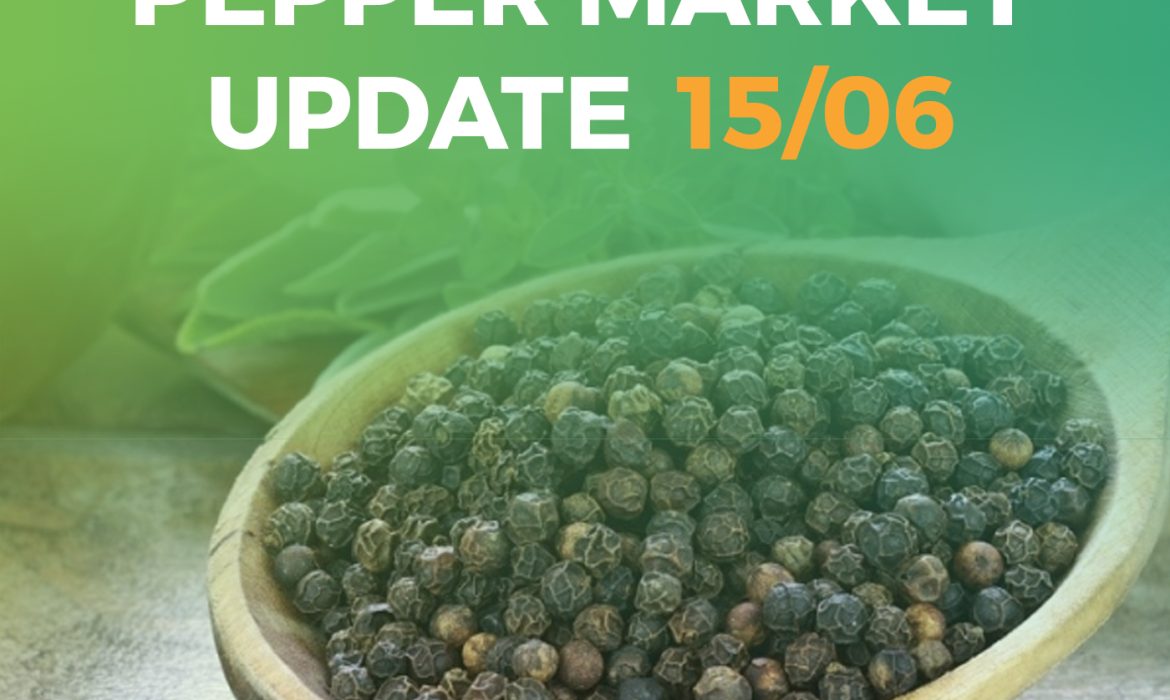
The global pepper market is on fire! 🔥 Prices have skyrocketed, exceeding 160,000 VND/kg in Vietnam and even surpassing Vietnam’s prices in Brazil. This surge is due to a shortage in supply, impacting markets worldwide.

Skyrocketing Ocean Freight Rates: A New Crisis for Importers and Exporters
Major port congestion alert! Ships are piling up in Asia and Europe, causing delays and potential disruptions to global supply chains. Stay tuned for updates as we monitor this developing situation. #portcongestion #supplychain
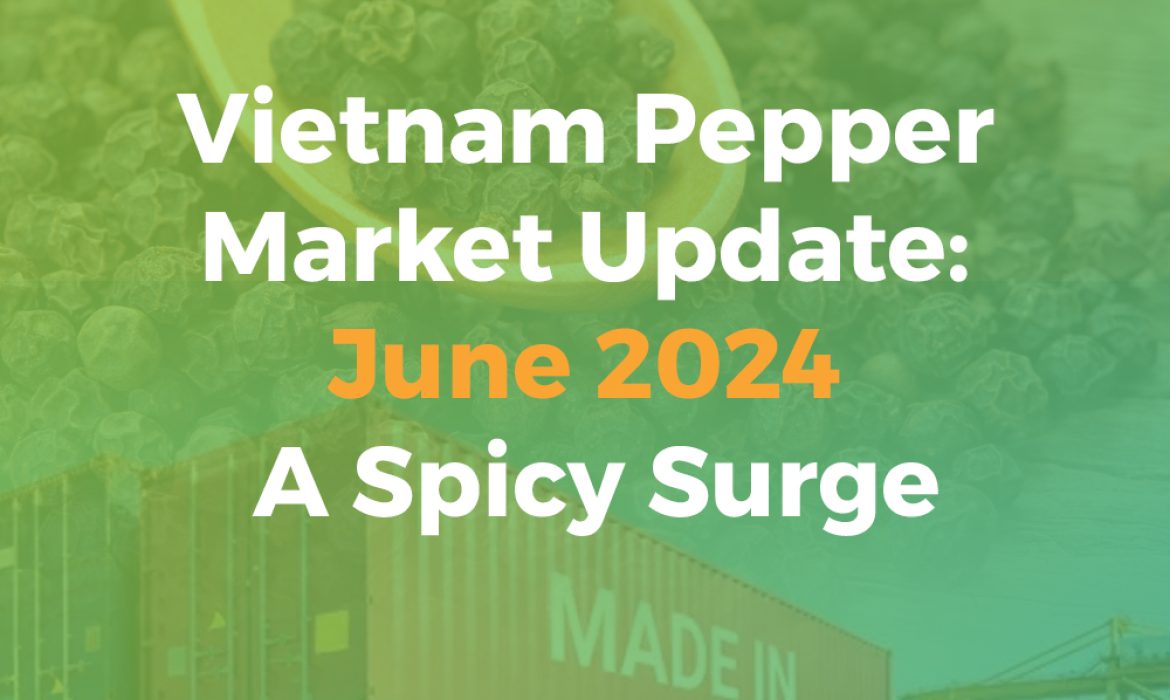
Vietnam Pepper Market Update: June 2024 – A Spicy Surge

The Vietnam pepper market is on fire, with prices reaching a scorching 144,000 VND per kilogram. This marks a dramatic 112% increase year-over-year and the highest price in nine years. The rapid ascent has surprised consumers and businesses alike, with pepper now surpassing coffee and cocoa in value. Some even quip that “pepper is rising faster than gold.”
The Heat is On: Supply and Demand Dynamics
High prices haven’t deterred demand. In fact, farmers are holding onto their stock, anticipating further price increases. This is putting pressure on exporters struggling to fulfill contracts. Even established spice exporters to the US and EU are feeling the pinch, rationing their dwindling inventories and cautiously purchasing new supplies.
The current shortage is attributed to low stockpiles in major producing countries like Vietnam, India, and Brazil, coupled with robust global demand. Vietnam’s pepper production is projected to drop further in 2024 due to El Nino, exacerbating the supply crunch.
Global Market: A Fiery Outlook
Vietnam dominates the global pepper market, accounting for 40% of production and 60% of the market share. The global pepper market is valued at approximately $5.4 billion USD and is forecasted to grow at an average of 20% annually from 2024 to 2032.
The US remains Vietnam’s largest pepper export market, followed by China, India, and Germany. The International Pepper Community (IPC) reports rising prices for black pepper in Indonesia and stable prices in Brazil and Malaysia, further fueling the global price surge.
Export Performance: A Five-Month Sizzle
In the first five months of 2024, Vietnam exported 114,424 tons of pepper, including 100,971 tons of black pepper and 13,453 tons of white pepper. The total export value reached 493.1 million USD, with black pepper accounting for 417.7 million USD and white pepper for 75.4 million USD.
The United States remained Vietnam’s largest pepper export market, receiving 30,466 tons. Germany emerged as the second-largest export market, importing 7,532 tons. Other significant markets included India (6,933 tons), the UAE (5,639 tons), the Netherlands (5,067 tons), and China (4,871 tons). Several markets experienced impressive export growth, such as Italy (179.0%), Russia (49.7%), Spain (49.1%), and Egypt (39.0%). Germany, the US, the Netherlands, Thailand, and China were the largest consumers of Vietnamese white pepper.
Prosi: A Rising Star in the Pepper Export Arena
Amidst the market frenzy, Prosi has emerged as a standout performer. As a top 10 Vietnamese exporter, Prosi recorded a remarkable 18.4% increase in exports during the first five months of 2024, reaching 3,021 tons. This achievement underscores Prosi’s growing reputation for quality, reliability, and adaptability in the dynamic pepper market.
The Road Ahead: A Spicy Forecast
Experts predict that the pepper market has entered a new price cycle, expected to last 8-10 years. The current price surge has already exceeded the most optimistic forecasts, and the market shows no signs of cooling down.
#ProsiThangLong#Prosi#GlobalTrade#VietnamSpices#VietnamNuts#Pepper#Cashew#Cinnamon#Coconut#StarAnise#VietnamExporter
——————————-
𝐏𝐫𝐨𝐬𝐢 𝐓𝐡𝐚𝐧𝐠 𝐋𝐨𝐧𝐠 – 𝐒𝐩𝐢𝐜𝐞𝐬 𝐚𝐧𝐝 𝐍𝐮𝐭𝐬 𝐕𝐢𝐞𝐭𝐧𝐚𝐦 𝐌𝐚𝐧𝐮𝐟𝐚𝐜𝐭𝐮𝐫𝐞𝐫 𝐚𝐧𝐝 𝐄𝐱𝐩𝐨𝐫𝐭𝐞𝐫
𝐀𝐝𝐝𝐫𝐞𝐬𝐬: 4th Floor, Kim Anh Building, No 78 Duy Tan, Cau Giay, Ha Noi
𝐄𝐦𝐚𝐢𝐥: Sales@prosi.com.vn
𝐎𝐟𝐟𝐢𝐜𝐞 𝐇𝐨𝐭𝐥𝐢𝐧𝐞: (+84) 9858 17797
𝐘𝐨𝐮𝐫 𝐭𝐫𝐮𝐬𝐭𝐞𝐝 𝐩𝐚𝐫𝐭𝐧𝐞𝐫 𝐢𝐧 𝐩𝐫𝐞𝐦𝐢𝐮𝐦 𝐬𝐩𝐢𝐜𝐞𝐬 𝐚𝐧𝐝 𝐧𝐮𝐭𝐬

